Key Takeaways
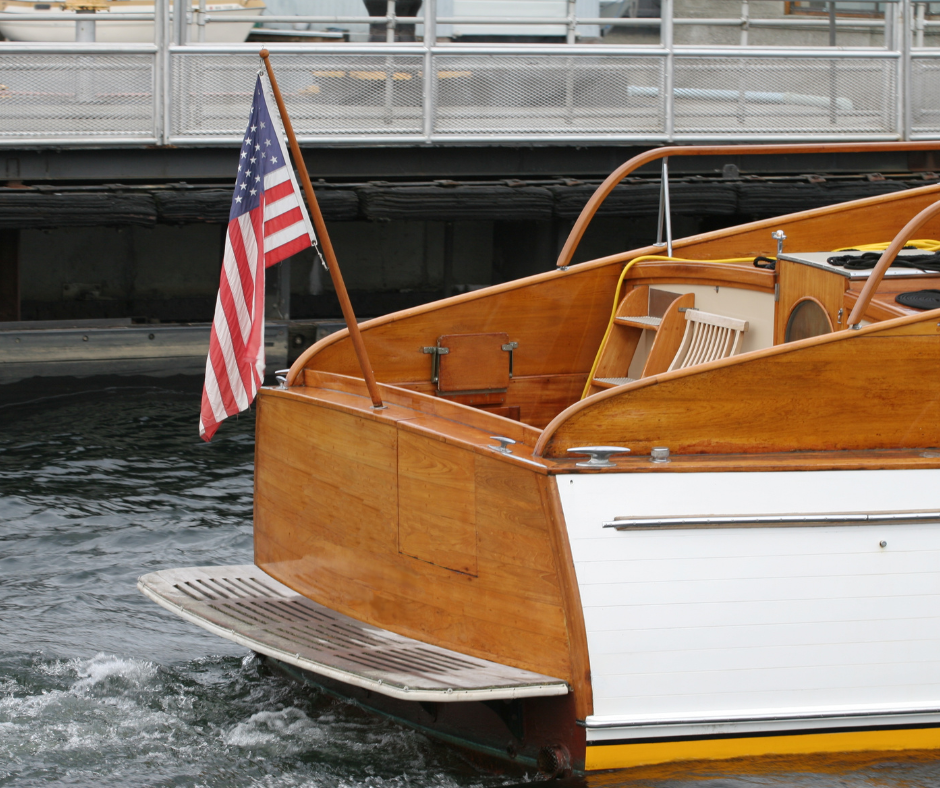
- The transom is the flat or slightly curved surface at the back of the boat, at the stern.
- It closes the hull, adds strength and carries outboard motors, ladders and swim platforms.
- Common materials are plywood, fiberglass and aluminum.
- The main types are the full, reverse and cutaway transom.
- The stern is the whole back end of the boat, and the transom is one part of it.
Let’s continue our look at boat anatomy with a part that is often overlooked: the transom. In this guide, we explain what a transom is and where to find it. We also cover its materials, its types and the difference between a stern and a transom.
What is a boat transom?
The transom is the surface at the back of the boat. It closes the hull at the stern and adds strength and rigidity. It is also an essential mounting point for equipment and for many activities on board.
Which boats have a transom?
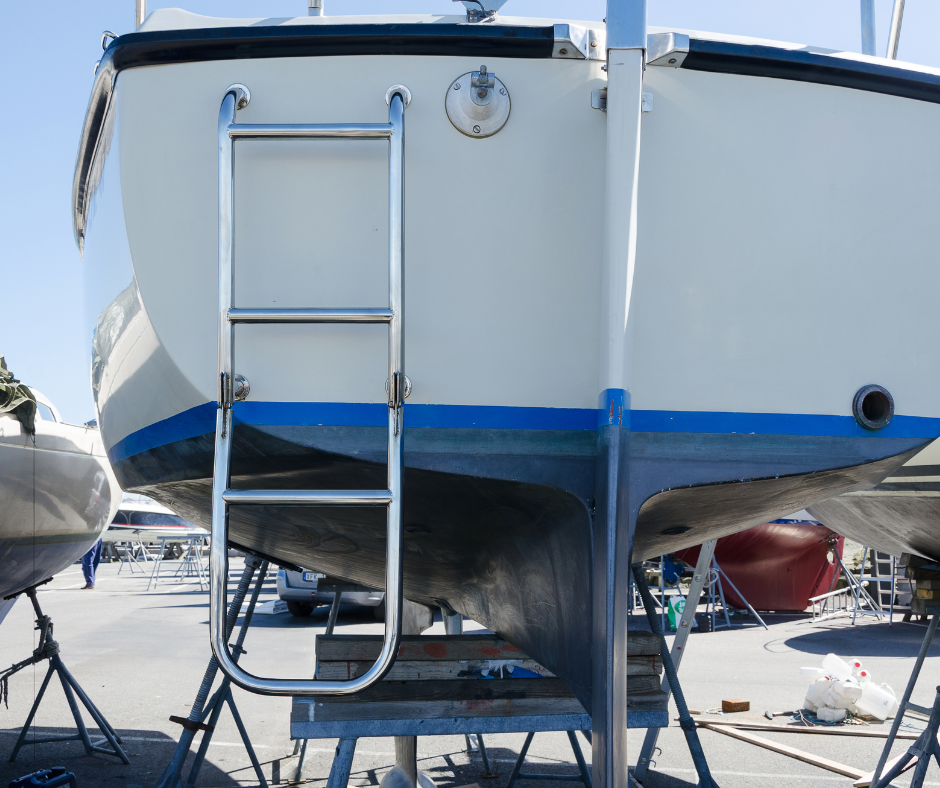
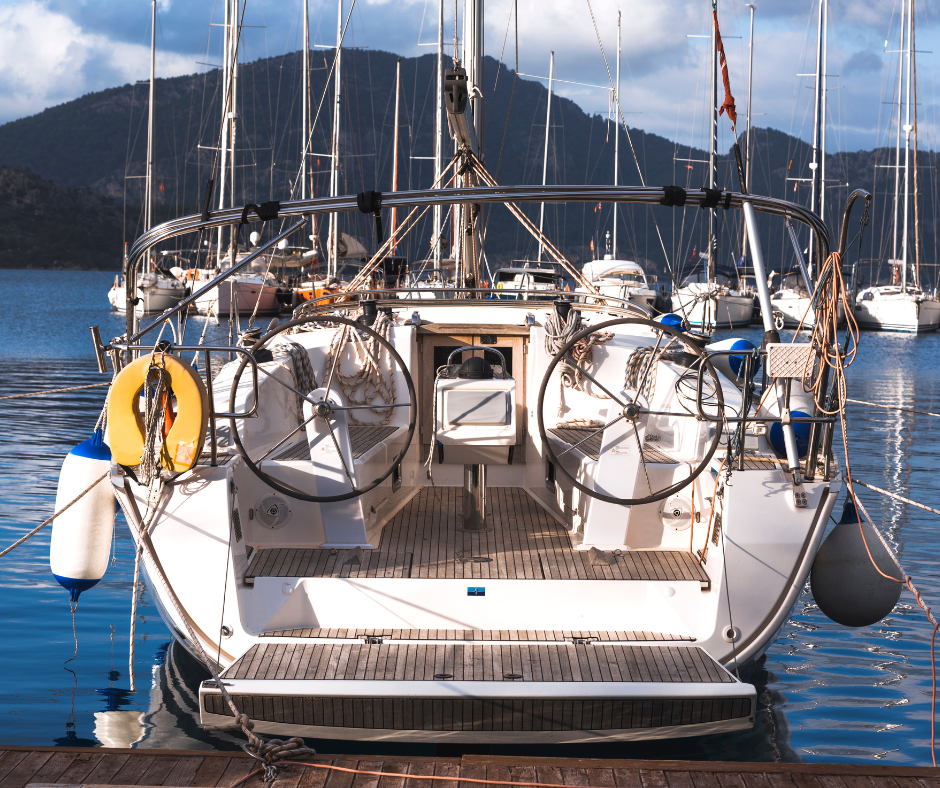
Most boats have a transom. On small fishing boats, it often holds the outboard motor. On larger boats, such as yachts and sailboats, it can carry a swim platform or a ladder. Ferries and cruise ships have one too, although structures often hide it.
From dinghies to large ships, the transom appears across a wide range of boats.
Where is the transom located?
The transom is easy to find. Picture the stern, the rear end of your boat. The flat or slightly curved surface there is the transom. Many owners also paint the boat’s name on it.
What is a boat transom made of?
A transom is only as good as its material. Builders traditionally use plywood, fiberglass or aluminum.
Plywood is a popular choice because it is strong and affordable. Fiberglass is light and durable, and it resists water damage well. Aluminum is tough and resists corrosion, which makes it a long-lasting option.
What are the different types of boat transoms?
There are three main types: full, reverse and cutaway. Whether you care most about space, style or speed, knowing the differences helps you choose your next boat with Click&Boat.
Full transom
A full transom spans the whole width of the boat. It offers maximum strength and space. You see it often on fishing boats and cruising sailboats.
Reverse transom
A reverse transom slopes forward, toward the bow, instead of leaning out over the water. This shape can make the boat look sleeker. It can also free up space on the deck.
Cutaway transom
A cutaway transom has a section removed at the stern. This reduces weight and drag and gives the boat a sleek look. The shape varies between models.
What is a boat transom used for?
The transom does more than most people think. It protects the back of the boat and helps keep water out. It supports the outboard motor, which needs a sturdy place to attach. It also carries accessories, such as ladders and swim platforms.
What is the difference between a stern and a transom?
People often use the two words as if they meant the same thing, but they do not. The stern is the whole back end of the boat. The transom is the flat or curved surface on that stern. In simple terms, the transom is part of the stern.

Transom maintenance and safety tips
Like any part of the hull, the transom needs regular checks. Look for cracks in the gelcoat, soft spots in wooden cores and loose fittings around ladders and outboard brackets. Any movement there can let water seep in and weaken the structure.
Rinse the area with fresh water after each trip, especially on saltwater boats. If you see staining, water bubbles or flexing when you push on the transom, call a professional. Good care keeps your transom strong and your boat safer on the water.
Next time you book a boat, you will know exactly where to look. The transom plays a vital role in the design and use of every boat.
FAQ
What is the main purpose of a boat transom?
It closes the hull at the stern, adds structural strength and provides a mounting point for engines and gear.
Do all boats have a transom?
Most motorboats and many sailboats do. Some traditional designs with a pointed stern may not.
What is the difference between a transom and a stern?
The stern is the whole rear end of the boat. The transom is the flat or curved surface on it.
What is a transom made of?
Most are made of plywood, fiberglass or aluminum, depending on the boat.
How do I know if my transom is damaged?
Look for cracks, soft or spongy areas, water stains or fittings that move when you push them by hand.
Can a rotten transom be repaired?
Yes, but it is a big job. A qualified boat builder must remove and replace the damaged core.
How often should I inspect my transom?
Do a quick visual check before every season and a closer inspection at least once a year.