
Share the post "Diving in Crete: The Best Spots and Marine Life to Discover"
✨ Key Takeaways
- Underwater visibility in Crete often exceeds 30 metres, thanks to the absence of major rivers
- The north coast concentrates most dive centres, with spots for every level
- A WWII German fighter plane wreck rests off the coast of Analipsi
- Cretan marine life includes groupers, moray eels, lobsters and occasionally dolphins
- Diving in Crete is generally practised under the supervision of a licensed dive centre
Crete ranks among the most beautiful diving destinations in the eastern Mediterranean. Its crystal-clear waters, marine biodiversity and underwater caves attract divers from around the world every year.
Whether you’re a beginner or an experienced diver, diving in Crete offers spots suited to every level. Between reefs, canyons, wrecks and mysterious caves, the island is packed with treasures to explore. Here’s our complete guide to help you plan your next underwater outing.
Why Crete is an exceptional diving destination
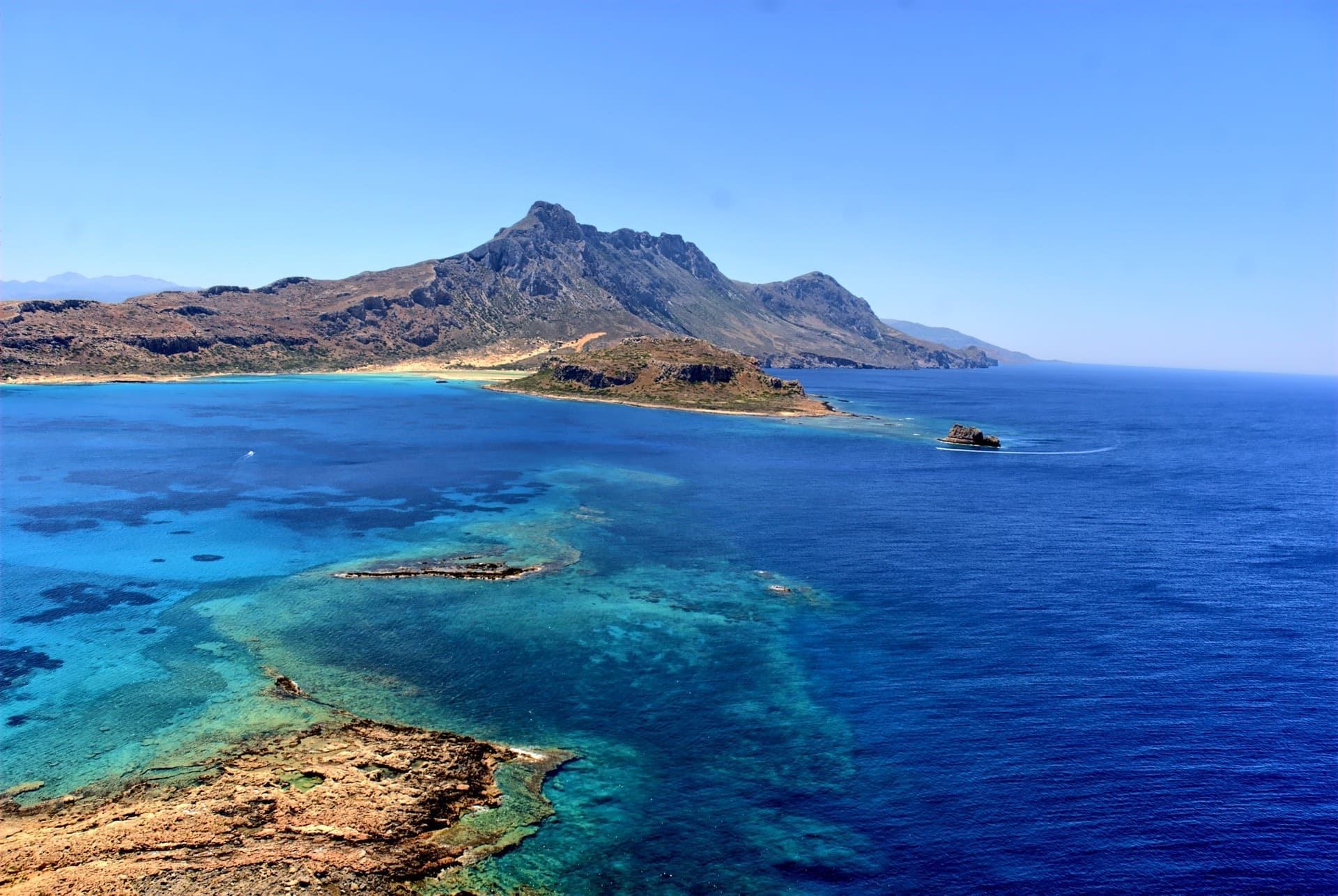
Cretan waters offer remarkable visibility, sometimes exceeding 30 to 40 metres. This clarity comes from the absence of major rivers around the island, which limits the sediment that would otherwise cloud the water.
Water temperature ranges from 18°C in winter to 26°C in summer, allowing diving for much of the year. Currents generally stay weak, a real advantage for beginner divers and underwater photographers alike.
The north coast of Crete concentrates most of the island’s dive centres. Resort towns like Bali, Panormos, Malia, Hersonissos and Agia Pelagia offer courses for every level, from first-time try-dives to PADI certification.

The best diving spots in Crete
El Greco Cave, at Stavros
Considered one of the island’s most spectacular sites, this underwater cave stretches around thirty metres. Impressive stalagmites and stalactites sit alongside beautiful shafts of light filtering through the rock.
Depth ranges between 20 and 40 metres, which keeps this spot reserved for experienced divers. A rich underwater ecosystem has settled here, with lobsters, groupers, tuna and moray eels.
Mononaftis Bay
This bay, accessible to beginners, stands out for the richness of its marine life. Reefs, canyons and small underwater caves sit side by side, offering varied diving for every level.
Rays and, occasionally, dolphins also pass through the waters of Mononaftis, to the delight of lucky divers.
The shrimp cave, near Hersonissos
This spot, reserved for experienced divers, extends to a depth of 40 metres. As its name suggests, hundreds if not thousands of shrimp live here, sometimes joined by passing large tuna.
The Messerschmitt wreck, off Analipsi
One of the most famous diving spots in Crete. This German WWII fighter plane crashed around 800 metres off the coast. The wreck now rests between 23 and 29 metres deep, a must-visit site for underwater history enthusiasts.
Matala Beach, on the south coast
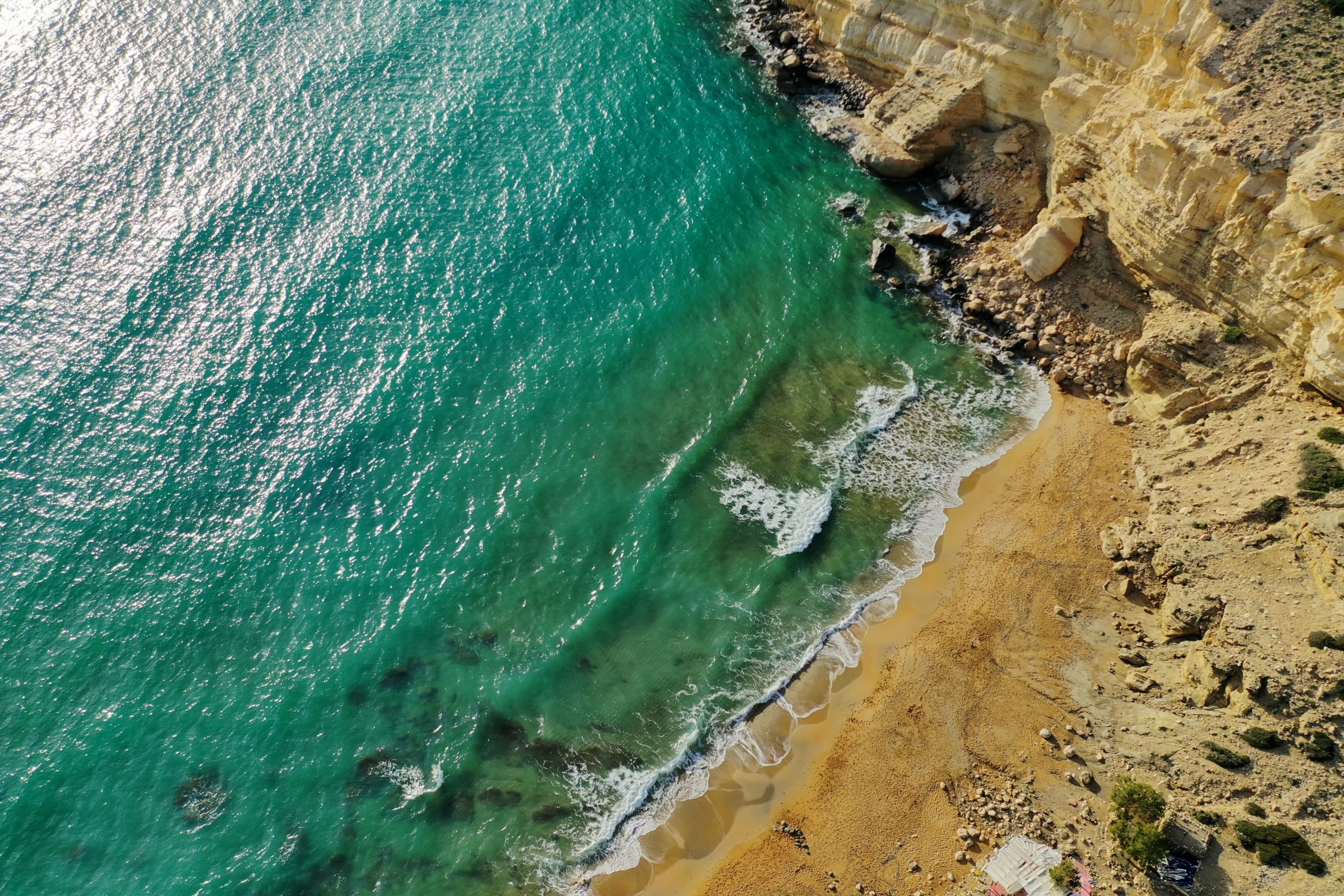
Famous for its ancient cliffs and caves, Matala Beach also stands out for its crystal-clear waters. It’s one of the few quality spots on the island’s south coast, ideal for combining diving with heritage discovery.
Dia Island, accessible by boat
This preserved island, off the coast of Heraklion, can only be reached by boat. Its underwater environments, still largely untouched by heavy traffic, make it a popular excursion for divers and snorkellers alike.
The sunken city of Olous, near Elounda
For snorkelling, this site, accessible directly from the shore, remains one of the island’s most interesting. The remains of the ancient city, now submerged, offer easy diving that blends history with biodiversity.
Marine life and flora to observe in Crete
Cretan seabeds are home to a varied underwater world. On the rocks and reefs, you’ll frequently spot red and green algae, sponges, sea anemones and various species of Mediterranean coral.
On the fauna side, groupers and moray eels rank among the most iconic residents of Crete’s caves. Lobsters and shrimp hide in rocky crevices, while shoals of tuna occasionally pass through deeper waters.
Encounters with rays remain possible in certain bays like Mononaftis, and a lucky few divers have spotted dolphins offshore.

Exploring Crete’s diving spots by boat
Several of Crete’s best diving spots, like Dia Island or certain isolated caves, can only be reached by boat. Renting a boat lets you reach these preserved sites at your own pace, without relying on group excursion schedules.
It’s also a great way to combine diving and sailing along the north coast, moving between spots to make the most of the Cretan coastline.
Best practices for diving in Crete
Since 2005, diving has been permitted at many sites in Greece, generally under the supervision of a licensed club. This regulation aims to protect the country’s rich underwater archaeological heritage.
Before you dive in, check the level required for each spot. Some sites, like El Greco Cave or the shrimp cave, remain reserved for experienced divers due to their depth.
If you’re planning your trip, our guide on when to visit Crete will help you choose the best time to combine diving, sailing and good weather.

FAQ
What’s the best time for diving in Crete?
From May to October, when water temperature reaches its peak and visibility is at its best.
Do you need a particular skill level to dive in Crete?
It depends on the spot. Some, like Mononaftis, suit beginners, while others require advanced certification.
Can you snorkel in Crete without a dive club?
Yes, spots like the sunken city of Olous or Agia Pelagia are accessible directly from the shore.
What marine life can you see while diving in Crete?
Groupers, moray eels, lobsters, tuna and occasionally rays or dolphins inhabit Cretan waters.
How do you reach isolated diving spots in Crete?
Some sites, like Dia Island, can only be reached by boat, which also lets you combine diving with sailing.


